byJoieFarm General Manager/September 11, 2025/inNews
Our Sustainable Farming Journey

Since opening our new tasting room in 2017, we’ve become known for the beautiful garden meadow that welcomes visitors in front of our tasting room. Now, we’re expanding that vision with new gardens located at our entrance and along the fence line. These gardens focus on species indigenous to our region—plants that have evolved alongside local pollinators like bees, butterflies, and birds to provide essential resources like pollen and nectar. Beyond their beauty, these native plantings have the potential to improve soil health, control pests naturally, and contribute to the distinct terroir that makes our wines unique.
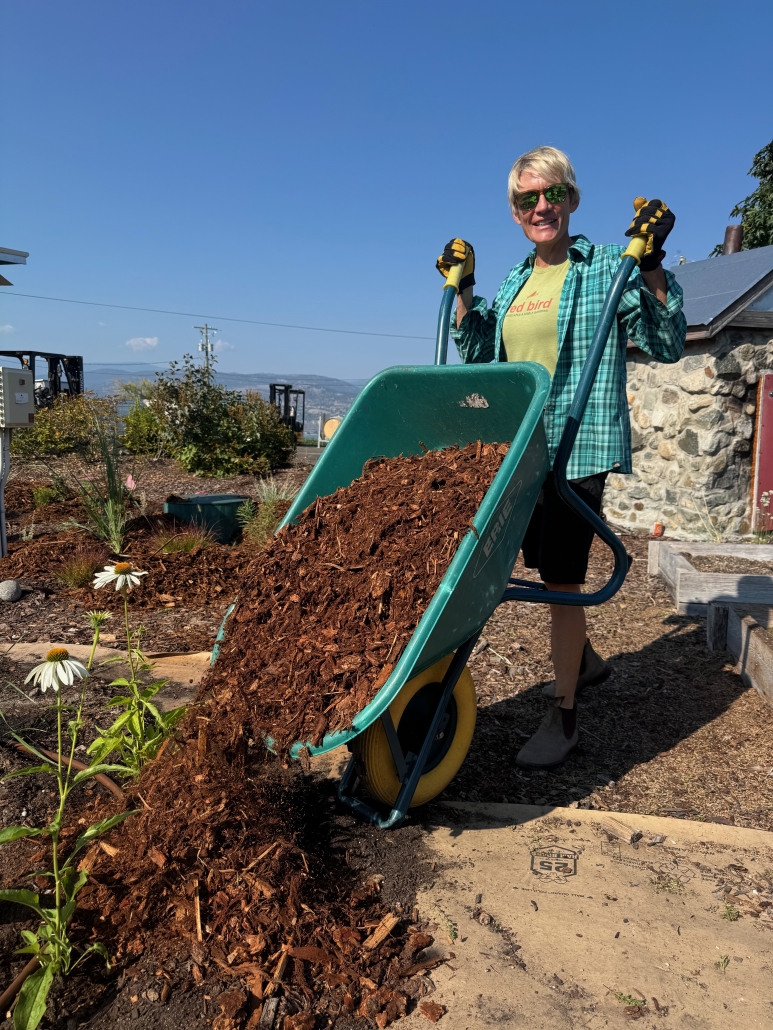
It takes a family to care for vineyards—from the planting to the harvesting, but as they say, many hands make light work. Our vineyard team from Meritage Viticulture has been nurturing our vines at our home vineyard since they were planted in 2007, and our dedicated seasonal team works on special projects throughout the growing season. We’re deeply grateful to our entire team for taking such exceptional care of our Gewürztraminer and our new Pinot Noir vines.
The unsung heroes in our vineyard ecosystem are the bees, birds, and other beneficial insects, along with the plants that attract them. While we’ve talked about cover crops in an earlier post, today we’re highlighting an exciting new project here at the winery: our dedicated pollinator habitat garden.
Our friends at Red Bird Landscapes and Edible Gardens have been incredible partners on this project. Since 2010, Red Bird has been designing, planting, and maintaining beautiful landscapes in and around Naramata, specializing in working with our local soils and semi-arid climate to create verdant, water-wise landscaping, xeriscaping, and abundant food gardens. We’re deeply grateful for their expertise and dedication to creating this beautiful pollinator habitat.
We also want to extend our heartfelt thanks to our partners at the BC Tourism Climate Resiliency Initiative for providing both guidance and funding for this project. Their support has been instrumental in making this pollinator garden a reality.
Here’s a sneak peek into what you can expect to see in our pollinator habitat garden
Feather Reed Grass (Calamagrostis x acutiflora) – Seeds attract birds; provides winter habitat for beneficial insects
Variegated Feather Reed Grass – Adds visual interest while supporting wildlife
Tufted Hair Grass (Deschampsia cespitosa) – Native BC grass; seeds feed birds, stems provide nesting material
Blue Oat Grass (Helictochloa sempervirens) – Drought-tolerant; attracts seed-eating birds
Dwarf Maiden Grass (Miscanthus sinensis) – Late-season interest; winter shelter for insects
Switchgrass (Panicum virgatum) – Native prairie grass; supports numerous moth and butterfly larvae
Dwarf Fountain Grass (Pennisetum alopecuroides) – Attractive seed heads for birds
Achillea/Yarrow (Achillea millefolium) – Attracts ladybugs, lacewings, hoverflies, and parasitic wasps
Agastache (Agastache foeniculum) – Beloved by bees, butterflies, and hummingbirds
Allium (Ornamental onions) – Excellent for bees, especially mason bees and leafcutter bees
Amsonia (Bluestar) – Spring nectar source for early bees and butterflies
Columbine (Aquilegia spp.) – Attracts long-tongued bees and hummingbirds
Pasture Sage (Artemisia frigida) – Native plant supporting specialized moths
Milkweed (Asclepias speciosa) – Critical for monarch butterflies; attracts many native bees
Coreopsis (Tickseed) – Long blooming period supports bees, butterflies, and beneficial wasps
Echinacea (Purple Coneflower) – Major bee magnet; seeds feed goldfinches
Showy Fleabane (Erigeron speciosus) – Native wildflower attracting small bees and butterflies
Sea Holly (Eryngium spp.) – Unique flowers attract specialized bees and butterflies
Joe Pye Weed (Eutrochium maculatum) – Butterfly favorite, especially for monarchs
Gaillardia (Blanket Flower) – Long-blooming native supporting many bee species
Golden Aster (Solidago spp.) – Late-season nectar source for migrating butterflies
Blue Flax (Linum lewisii) – Native wildflower attracting small native bees
Wild Bergamot (Monarda fistulosa) – Native mint family plant beloved by bees and butterflies
Penstemon (Beardtongue) – Native flowers perfect for bumblebees and hummingbirds
Black-Eyed Susan (Rudbeckia spp.) – Attracts bees, butterflies, and beneficial insects
Salvia (Sage) – Excellent for bees, especially long-tongued species
Western Mountain Ash (Sorbus scopulina) – Mammals and birds rely on this plant for nutrition
Red Osier Dogwood (Cornus sericea) – Native shrub supporting over 100 moth and butterfly species
Black Hawthorn (Crataegus douglasii) – Early spring flowers for emerging bees; berries for wildlife
Shrubby Cinquefoil (Dasiphora fruticosa) – Long-blooming native supporting diverse pollinators
Wolf Willow/Silverberry (Elaeagnus commutata) – Fragrant flowers attract numerous insects
Rocky Mountain Juniper (Juniperus scopulorum) – Provides year-round shelter; berries for birds
Smooth Sumac (Rhus glabra) – Flowers support many beneficial insects
Nootka Rose (Rosa nutkana) – Native rose attracting bees; hips feed wildlife
Birch-Leaved Spirea (Spiraea betulifolia) – Native shrub with clusters of small flowers
For those interested in diving deeper into pollinator gardening and native plants, here are some excellent resources:
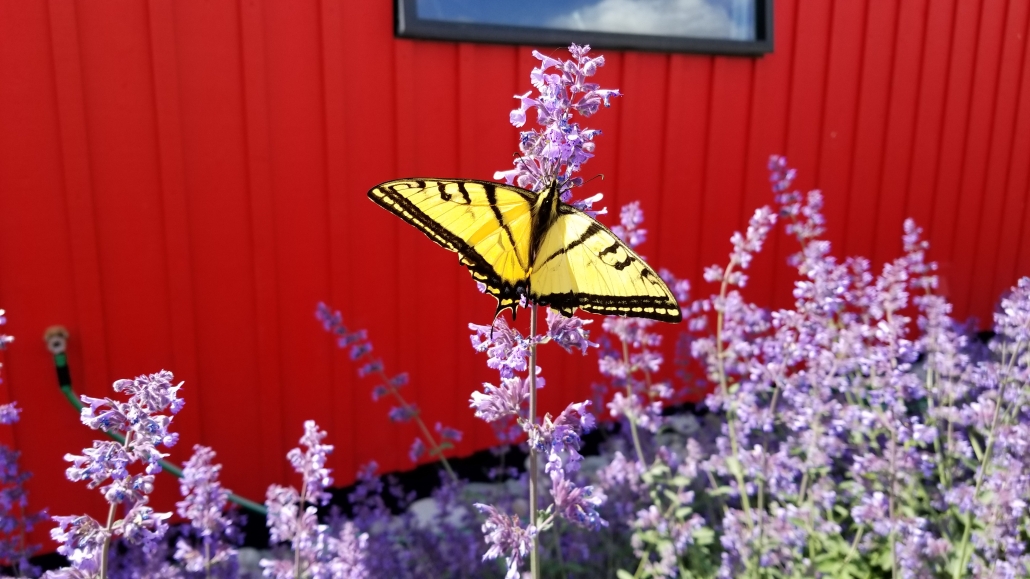
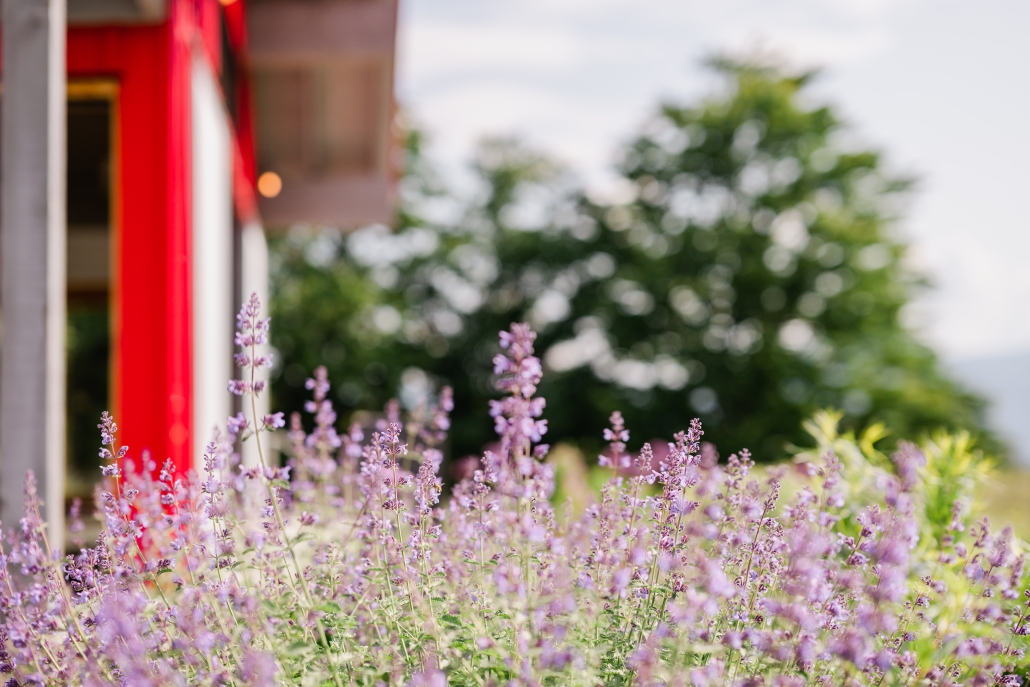
British Columbia is home to 500 species of wild bees, and our garden is designed to support as many as possible. By choosing a mix of plants that produce flowers of different shapes, sizes, and colours, we can attract many kinds of bees and butterflies. Each plant in our selection serves multiple purposes:
We can’t wait for you to experience our pollinator garden in full bloom next season. It’s another way JoieFarm is committed to sustainable practices that support both exceptional wine and a thriving ecosystem.
Come taste our wines, walk through our garden, and witness firsthand how the winery family extends far beyond humans—to every bee, butterfly, and beneficial insect that calls our vineyard home.
Next month, we’re partnering with the Okanagan Similkameen Stewardship Society on another exciting pollinator project—this time creating a habitat corridor along our fence line with our neighbours at Elephant Island Winery. Stay tuned for updates!

2825 Naramata Rd
Naramata, BC
Tel: 250-496-0093
hospitality@joiefarm.com

 2025 Thanksgiving Pairing Guide